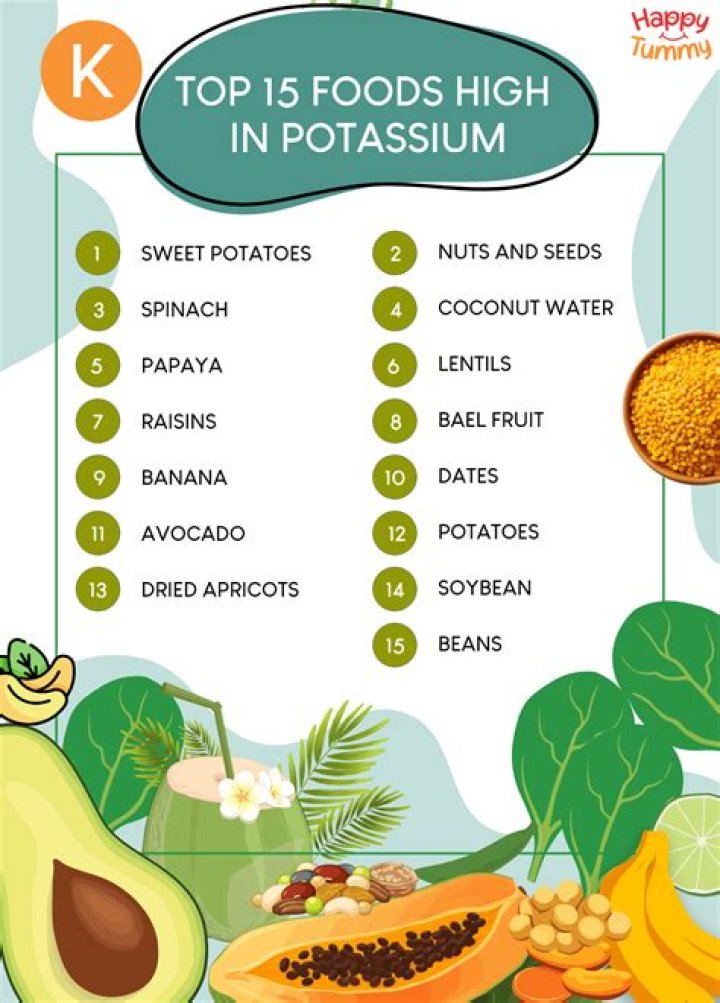
Too much potassium, called hyperkalemia, can cause weakness, fatigue, loss of muscle function, and slowed heartbeat. Too little potassium, called hypokalemia, can cause muscle weakness, muscle twitches, heart palpitations, and cramps—it can also lead to paralysis and respiratory failure.
What are the symptoms of too low potassium?
- Constipation.
- Feeling of skipped heart beats or palpitations.
- Fatigue.
- Muscle damage.
- Muscle weakness or spasms.
- Tingling or numbness.
What are the 10 signs of low potassium?
- Weakness, tiredness, or cramping in arm or leg muscles, sometimes severe enough to cause inability to move arms or legs due to weakness (much like a paralysis)
- Tingling or numbness.
- Nausea or vomiting.
- Abdominal cramping, bloating.
- Constipation.
- Palpitations (feeling your heart beat irregularly)
What happens when your body is low on potassium?
A low potassium level has many causes but usually results from vomiting, diarrhea, adrenal gland disorders, or use of diuretics. A low potassium level can make muscles feel weak, cramp, twitch, or even become paralyzed, and abnormal heart rhythms may develop.Can low magnesium cause muscle twitching?
Patients with low magnesium levels can develop muscle spasms, presumably because a deficiency in magnesium lowers the electrical threshold at which nerve cells become depolarized, which makes them hyper-excitable. The same is true for calcium, and low calcium levels can also cause muscle spasm.
How can I raise my potassium quickly?
- Eat a banana or two if you find yourself having leg cramps associated with low potassium levels. The potassium in bananas increases your levels quickly, which will cause the cramps to subside. …
- Have a salad. …
- Drink a glass of orange juice. …
- Take a potassium supplement.
Can excess potassium cause muscle spasms?
Abnormal blood levels of electrolytes, such as calcium, magnesium, or even potassium, can develop muscle cramps. Although low potassium blood levels occasionally cause true muscle cramps, high potassium blood levels also cause muscle cramps.
How can I test my potassium levels at home?
A urine test can be done using a single urine sample or urine collected over 24 hours. A single urine sample may be taken at a health professional’s office or at home. A 24-hour sample is done at home.What is the most common cause of low potassium?
Low potassium (hypokalemia) has many causes. The most common cause is excessive potassium loss in urine due to prescription medications that increase urination. Also known as water pills or diuretics, these types of medications are often prescribed for people who have high blood pressure or heart disease.
Who is most at risk for potassium deficiency?Hypokalemia is more common in people with inflammatory bowel disease (IBD) and gastrointestinal illnesses that cause severe or persistent diarrhea or vomiting. Certain medications, such as laxatives and diuretics, can also increase the risk of potassium deficiency.
Article first time published onCan low potassium cause anxiety?
An imbalance of potassium can cause many different side effects including anxiety and new research suggests a potential for sleep disturbances. If you have low levels of potassium, you may experience an increase in your anxiety symptoms. Anxiety is an abnormal feeling of worry, fear, apprehension or nervousness.
How do you fix low potassium?
You may need to change a medication that’s affecting your potassium level, or you may need to treat another medical condition that’s causing your low potassium level. Treatment of low potassium is directed at the underlying cause and may include potassium supplements.
How do you keep your potassium levels normal?
- Following a low-potassium diet, if needed. …
- Try avoiding certain salt substitutes. …
- Avoiding herbal remedies or supplements. …
- Taking water pills or potassium binders, as directed by your healthcare provider.
What is the best medicine for low potassium?
Potassium chloride is a supplement used to treat low blood levels of potassium, a condition called hypokalemia.
Can drinking too much water cause low potassium?
Excessive water consumption may lead to depletion of potassium, which is an essential nutrient. This may cause symptoms like leg pain, irritation, chest pain, et al. 6. It may also cause too much urination; when you drink lots of water at once, you tend to urinate frequently.
How long does it take potassium to get into your system?
Blood potassium levels also vary with age. Results are ready in 1 day. Many conditions can affect potassium levels. Your doctor will talk with you about any abnormal results that may be related to your symptoms and past health.
Is it safe to take a potassium supplement daily?
You can take potassium supplements every day if your doctor has advised you to do so. However, since too much potassium can cause health issues or complicate an existing condition, you should only take potassium supplements under the guidance of a doctor.
What causes involuntary muscle twitching?
Muscle twitches are caused by our muscles tightening up (“contracting”) involuntarily — in other words, when we’re not actually controlling them. Muscle twitches can happen for lots of reasons, like stress, too much caffeine, a poor diet, exercise, or as a side effect of some medicines.
What supplements can cause muscle twitching?
As we’ve seen, one of the most common causes of muscle twitches is vitamin deficiency. To dive a little deeper, the three most common vitamin deficiencies that cause muscle twitches include calcium, vitamin D and magnesium deficiencies.
How do you stop muscle twitches?
- Stretching. Stretching the area that has the muscle spasm can usually help improve or stop the spasm from occurring. …
- Massage. …
- Ice or heat. …
- Hydration. …
- Mild exercise. …
- Nonprescription remedies. …
- Topical creams that are anti-inflammatory and pain relieving. …
- Hyperventilation.
Does hypocalcemia cause muscle twitching?
Symptoms of Hypocalcemia: The most common sign of hypocalcemia is what is called “neuromuscular irritability.” Your nerves and muscles, which are directly related to blood calcium levels, may spasm or twitch. If your blood test results indicate hypocalcemia, you may notice muscle cramps in your legs or your arms.
What neurological causes muscle spasms?
Dystonia. Dystonia is a neurological muscle disorder characterized by involuntary muscle spasms.
Does vitamin D affect potassium levels?
Vitamin D3 tended to increase retention of both potassium and sodium in the body. A significant interaction occurred between dietary magnesium and vitamin D3 relative to body weight gain.
What drink is high in potassium?
- Orange juice.
- Tomato juice.
- Prune juice.
- Apricot juice.
- Grapefruit juice.
How many bananas do you have to eat to get your daily potassium?
Adults should consume about 3,500mg of potassium per day, according to the UK’s National Health Service. The average banana, weighing 125g, contains 450mg of potassium, meaning a healthy person can consume at least seven-and-half bananas before reaching the recommended level.
Is eggs high in potassium?
One large egg contains about 63 mg of potassium. 1 Eggs are considered a low-potassium food, but check with your doctor or dietitian to find out how often you should eat them.
Does low potassium cause leg cramps?
The effects of low potassium include may cause heart palpitations, muscle cramps, muscle aches, and muscle weakness.
Is peanut butter high in potassium?
High-potassium foods (more than 200 mg per serving): ½ cup of cooked pinto beans (400) or lentils (365) … 3 ounces of cooked lean beef (224) 2 tablespoons of smooth peanut butter (210)
Does Gatorade have potassium?
Diet or protein drinks and diet bars often have potassium. It is also in sports drinks, such as Gatorade. … These often are very high in potassium.
What drugs can cause low potassium levels?
- Diuretics. Diuretics like furosemide, bumetanide, hydrochlorothiazide, and chlorthalidone are the main medication-related cause of low potassium levels. …
- Albuterol. …
- Insulin. …
- Sudafed. …
- Laxatives and enemas. …
- Risperdal and Seroquel.
Does potassium make you pee a lot?
A potassium level that is too high or too low can be serious. Abnormal levels may cause symptoms such as muscle cramps or weakness, nausea, diarrhea, or frequent urination.