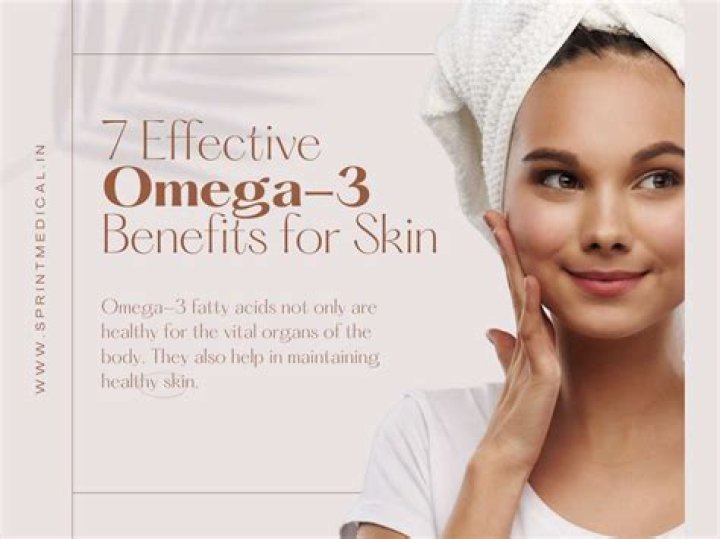
A diet rich in omega-3s may help prevent or reduce the severity of acne. Omega-3s have been shown to reduce inflammation, and new evidence suggests that acne may be primarily caused by inflammation. Hence, omega-3s may indirectly fight acne ( 2 , 8 ).
Is fish oil bad for your acne?
There is some evidence that fish oil supplementation is associated with an improvement in overall acne severity, especially for individuals with moderate to severe acne.
Does omega-3 improve skin?
Omega-3 fatty acids are essential nutrients found in certain foods. They can serve to regulate the skin’s oil production, improve balanced hydration, subdue breakouts and minimize signs of aging. Omega-3s can also help soften rough, dry skin and have a soothing effect on irritation and dermatitis.
Does omega-3 help with hormonal acne?
Aside from vitamin D and green tea extract, the following supplements may help reduce acne symptoms: Fish oil. Some evidence suggests that supplementing with omega-3-rich fish oil may reduce acne severity in some people.Does omega-3 cause weight gain?
An omega-3 fatty acid is highly recommended for people who want to lose weight but excess consumption might show an opposite result. As you already know fish oil is rich in fat and is also high in calories, therefore, too much of it can increase your metabolic weight.
Can omega-3 Apply on face?
Common Questions & Answers. Can I rub fish oil on my face? It may be okay to apply topically to limited areas with dryness, especially non-oily parts of the face (like near the eyes) or rough patches on the body. But it can clog pores and exacerbate breakouts if you’re prone to acne, so be cautious when using it here.
What vitamins can cause acne?
The main culprits causing breakouts are supplements containing Vitamins B6/B12, iodine or whey, and ‘muscle building supplements’ that may be contaminated with anabolic androgenic steroids. About 50% of US adults use dietary supplements and many struggle with inexplicable acne.
What foods trigger acne?
You’re more likely to have acne if your diet is full of foods and drinks like soda, white bread, white rice, and cake. The sugar and carbohydrates in these foods tend to get into your blood really quickly. That means they are high on the glycemic index, a measure of how foods affect blood sugar.What vitamins are best for acne?
- Vitamin A. Vitamin A counters the adverse effects acne has on the skin. …
- Vitamin D. Vitamin D boosts the immune system and has antimicrobial properties. …
- Zinc. …
- Vitamin E.
Androgens. Androgens represent the most important of all hormones regulating sebum production. As of puberty, androgens stimulate sebum production and acne formation in both sexes. This androgen-dependent secretion of sebum is mediated by potent androgens such as testosterone and DHT and likewise with weaker androgens.
Article first time published onWhat happens if you eat omega-3 everyday?
According to various health organisation, it is suggested that people should take no more than 3g of omega 3 per day as it might reduce the immune system function. High doses of omega 3 supplements could also increase bleeding time and blood thinning. High amount of vitamin A in omega 3 can be toxic.
Can too much omega 6 cause acne?
Diets containing large amounts of omega-6 fatty acids, like the typical Western diet, have been linked to increased levels of inflammation and acne ( 7 , 31 ).
Is omega-3 good for weight loss?
The omega-3 fatty acids in fish oil have various potential health benefits, one of which is aiding weight loss. More importantly, fish oil omega-3s may help you lose inches and shed body fat.
Does fish oil cause feminine odor?
Taking fish-oil supplements can cause the skin, breath, and urine to have a fishy smell. It is generally believed that higher intakes of omega-3 fatty acids will lead to an increase in hemorrhagic complications.
Is fish oil good for skin?
Fish oil is an excellent source of omega-3 fatty acids. Some research suggests that these fatty acids can improve skin health, as well as specific skin conditions, such as eczema and acne.
Does fish oil increase breast size?
Although oils may have moisturizing, anti-inflammatory, and antibacterial properties to enhance your skin, they won’t change your breast size.
Does vitamin D give you acne?
Vitamin D is not listed as an official risk factor for acne, according to the Mayo Clinic. But researchers are starting to explore how vitamin D regulates the immune system. This immune system link might explain the relationship between vitamin D levels and skin health.
Can low vitamin D cause acne?
Vitamin D levels can also affect your skin health. You may notice several symptoms of vitamin D deficiency on your skin like dry skin, skin rashes, acne or signs of ageing. Acne is a common skin problem. There is a link between vitamin D levels and acne.
Why does B12 cause acne?
Dr. Li and her team found that taking vitamin B12 increases the amount of that vitamin on facial skin. This, in turn, causes a certain facial bacteria (propionibacterium acnes) to produce more of something called porphyrins, which results in inflammation. And this could lead to acne.
How fast does omega-3 work for acne?
Thus, because inflammation is one of the most important pathogenic factors of acne vulgaris, omega-3 fatty acid could ameliorate acne vulgaris (46, 47). In the present study, inflammatory cell levels, de- termined histopathologically, were significantly reduced after 10 weeks of omega-3 fatty acid supplementation.
What Omega is best for skin?
Among the must-have foods for healthy skin: omega-3 fatty acids — the “good fats” that have recently been credited with increasing heart health as well as helping your skin look healthier.
Does fish oil make your skin oily?
3) Does fish oil make your skin oily? A. It is a misconception that consuming fish oil can make your skin oily. On the contrary, omega-3 fatty acids are known to regulate sebum production in your skin, which makes it safe to use fish oil for both dry and oily skin types.
How can I control my hormonal acne?
- Wash your face in the morning and again in the evening.
- Apply no more than a pea-size amount of any acne product. Applying too much can dry out your skin and increase irritation.
- Wear sunscreen every day.
- Use only noncomedogenic products to reduce your risk of clogged pores.
What is biotin for?
Also known as vitamin H, biotin is one of the B complex vitamins that help the body convert food into energy. The word “biotin” comes from the ancient Greek word “biotos,” which means “life” or “sustenance.” B vitamins, and specifically biotin, help keep your skin, hair, eyes, liver, and nervous system healthy.
How do you get clear skin?
- Avoid popping pimples. A pimple indicates trapped oil, sebum, and bacteria. …
- Wash twice daily, and again after sweating. …
- Avoid touching the face. …
- Moisturize. …
- Always wear sunscreen. …
- Focus on gentle products. …
- Avoid hot water. …
- Use gentle cleansing devices.
What causes acne on cheeks?
Cheeks. Share on Pinterest Friction or rubbing of the skin may cause acne on the cheeks. Breakouts on the cheeks can occur as a result of acne mechanica, which develops due to friction or rubbing of the skin.
Do eggs cause acne?
Eggs Contain Biotin When you consume a ridiculously high amount of biotin, it can result in an overflow in keratin production in the skin. Left unchecked, this can result in blemishes. The good news is that eggs don’t contain nearly as much biotin to really impact acne.
Do bananas help acne?
Treat Acne Bananas have anti-inflammatory properties which reduce the appearance and redness of acne. There’s been some success treating acne blemishes by gently rubbing the affected area with the inside of a banana peel for a few minutes, rinsing with cool water and repeating a few times a day.
How do I know if my acne is hormonal or bacterial?
You can tell if acne is hormonal or bacteria by its severity if flare-ups occur during hormonal imbalances, and whether topical treatments resolve the issues, or if systemic medications are needed.
Can low estrogen levels cause acne?
For women, hormonal changes relating to pregnancy or the menstrual cycle can also trigger acne. Falling estrogen levels may increase the risk of acne around menopause.
Will my hormonal acne ever go away?
Will my acne ever go away? Most often, acne will go away on its own at the end of puberty, but some people still struggle with acne in adulthood. Almost all acne can be successfully treated, however. It’s a matter of finding the right treatment for you.